April 1, 2026

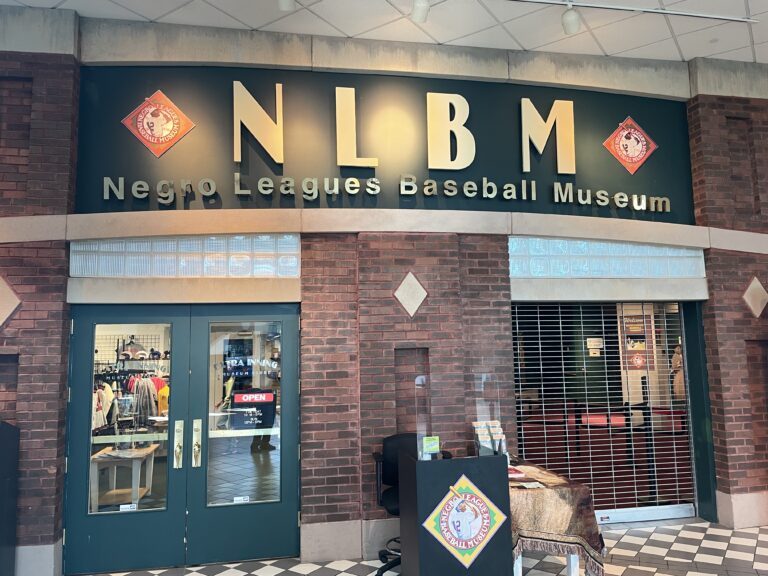
Negro League Baseball Museum: A gem of Kansas City
If you love history, we are seeking comments and sponsors to support this column. Please email news@santafetimesnews.com for details.
Baseball is America’s game. To follow the history of baseball you are not only following the history of the United States but our society, as we evolve through playing and watching the sport.
The Negro League Baseball Museum in Kansas City is a walk through American history. Not only the story of the black man rising from slavery to opportunity and success, it’s the story of our society and how attitudes, people and the nation changed.
Bob Kendrick is a man on a mission. As President of the museum, he is the right man in the right place at the right time. Bob is the keeper of this important American story. His personality and storytelling ability comes from 30 years of rubbing elbows with some of this world’s finest human beings. “Love conquers hate” — he and his old baseball friends are a testament to that.
Like the Buffalo Soldiers, early traveling Negro baseball teams were segregated, berated and chastised by crowds they entertained, but it wasn’t slavery. It was a step. One of the reasons the players put up with the indignities was purely “a love of the game!”
The next step was to organize, create a Negro League where cities would have teams, fans and schedules playing one another. A meeting took place on Feb. 13, 1920 at the Paseo YMCA close to 18th and Vine in Kansas City with eight potential team owners.
Chicago’s Rube Foster was a smart man. He had envisioned the league and this meeting. The only fly in the ointment was J.L. Wilkinson from Kansas City, because he was white. Rube wasn’t happy about having a white owner, but in hindsight, history tells us, that crack of whiteness was inclusion working in the opposite direction. Wilkie turned out to be a great man and owner, promoting baseball and equality throughout his life.
On the day the league was established, Foster proclaimed, “We are the ship, all else the sea.” Baseball and America was about to be changed.
My favorite team owner, however, was Effa Manley from Newark, who had to deal with another layer of intolerance by being a woman. She was up to the task. I put her alongside Amelia Earhart, Osa Johnson, Nellie Bly, Dorothea Dix and Coco Chanel as a person who challenged norms, won, and changed American thinking. Effa was smart and shrewd. In dealing with her she would use her sex and race to her advantage.
Negro League baseball from the 20’s – 40’s was a huge business. Segregation was the way of the land, but when it came to baseball there were glimmers of acceptance. Whites came and watched black men play ball because…they were good!
The economic and social impact of baseball in black society was second to none. Each city that hosted a team had a sense of pride and kinship.
Game days were magical; you went to the game to see and be seen. The event fostered pride and promoted style, and people started dressing up. Businesses close to stadiums thrived, catering to blacks who were mostly restricted from other establishments around the city. Sitting in the stands you experienced life — frustration, jubilation, depression and exhilaration all in three hours. Dreams were born there. Little black boys all wanted to grow up and play for the Kansas City Monarchs, while little white boys wanted to be Yankees. Black or white it’s baseball — the American game that slowly brought us all together.
Celebrities loved the game, fast pace, exciting and live. They wanted to be ball players and ball players wanted to be entertainers.
Jazz was king in Kansas City and you could hear it everywhere. Baseball and Jazz, what a life — Cab Calloway, Lionel Hampton, Duke Ellington, and Louis Armstrong, who even had his own team in “N’Awlins,” the Secret 9. Throw in the great Lina Horne and appearances by none other than Joe Louis, and man, now that was living! I can hear Buck O’Neil saying just that.
The significance of what Bob Kendrick is doing can’t be understated. I have completed a series of podcasts with Bob who tells great, one-of-akind stories with passion and humility. Those podcasts can be heard for free at bobfordshistory.com. This important part of American history is in good hands. A visit to the museum is a must for all who want to understand this country better and love the game. It helps explain how we got to where we are in race relations today. By looking back, we can look forward with better clarity.
The museum will mean different things to each of us depending on how you were raised, your knowledge of racial history and the degree in which you love this graceful game, baseball.
Next week, the players…
You can find more of Bob’s work on his website, bobfordshistory.com also check out his You-Tube videos under Bob Ford’s History. To comment or suggest other topics contact Bob at robertmford@aol.com