Truman, the warrior comes home – part 3
Soldiers throughout history have struggled returning home from combat.
Long before PTSD, fighters had to deal with the aftermath of war on their own. In the Civil War it was called “Soldiers heart,” in World War I “shell shock.’ The inability to gracefully fit back in society was difficult to say the least.
Combat is a life changing experience. You cannot relate that memory on to others, only your battle brothers truly understand.
Many soldiers coming back from World War II had bitter stories about family life dealing with their World War I veteran father. Most cases involved self medication through alcohol and/or too often suicide.
A famous story from The Great War involved returning veteran Charles Whittlesey, who received The Medal of Honor for his part in leading the famed “Lost Battalion.” On the home front he was unable to cope with the public or his fellow comrades who still looked to him for support and leadership.
Whittlesey, a lawyer from New York, simply booked passage on an ocean liner and stepped off the deck to find his peace.
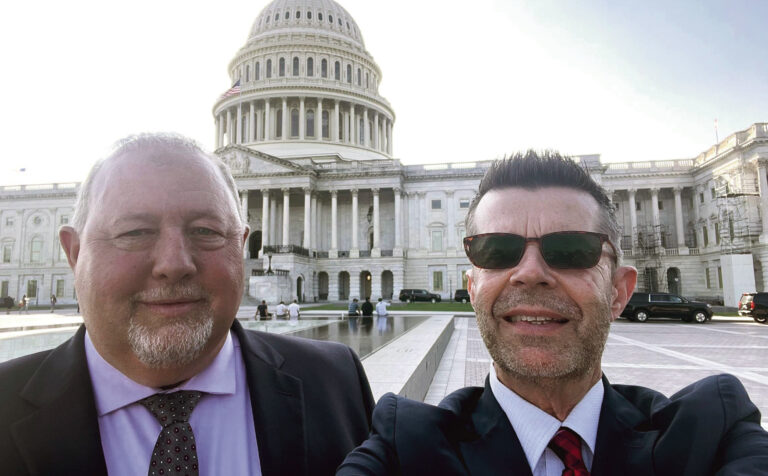
Stories like that highlight why St. Joseph’s Milt Toratti’s work is so important. My friend Milt has written over 150 biographies on vets who have trouble relating mostly to their families. Vietnam veteran Toratti is easy to talk to, word has spread, and now troubled soldiers around the country contact him.
The biographies are presented to the struggling family, hoping to relay the feelings and share experiences the returning soldier can’t say themselves. After reading about the unspoken hardships a loved one has lived through a new understanding can be found.
“Thank you for giving me back my grandfather,” was a touching letter written by an appreciative boy, a salute to you Milt, and your passion.
Harry Truman had difficulty adapting too. Upon returning he and fellow war comrade Eddie Jacobson opened a haberdashery, clothing store, in downtown Kansas City. It failed after some initial success.
Think of the provocative movie, “The Best Years of our Lives,” where 3 returning World War II soldiers have their own physical and psychological battles in returning to civilian life. They were misunderstood, disrespected and drank their way into coping.
Enter Tom Pendergast, the political boss of Kansas City. Tom didn’t think much of spectacled Harry at first. Pendergast was a hard-living thug, physically imposing, ruled Kansas City through intimidation and bribery.
According to St. Joseph’s Glore Psychiatric Museum guru Kami Jones, “Pendergast, born in St. Joseph, had his daughter committed to Hospital # 2. No one knows if she was gaslighted or needed care. She lived out her life at the institution and is buried on the grounds.”
A political boss is different from a crime boss or mobster. They may have similar tactics but the St Jo native made his bones through connections and contracts. Pendergast’s control of Kansas City was so complete it was called Tom’s Town.
This was during the depression, times were tough for most. Tom with his control actually made life better in Kansas City than in other urban areas. People found work and he could even be generous. His concrete and construction company’s projects still are prominent fixtures on the City’s landscape; the Nelson-Atkins Museum, third tallest City Hall in the US, paving Brush Creek and the downtown Airport.
Pendergast controlled Boyles-Pryor Construction Company, a force in building these and other municipal projects; alternative bidders weren’t seriously considered.
Ironically Jim Pryor became the sole head of the company after partner Bill Boyles was struck and killed by lightning on the Swope Park golf course. Guess he needed to hold that 3 iron a little lower.
Pryor was famous for throwing extravagant galas down the Missouri River near Richmond at Pryor Lodge where he would luxuriously steamboat guests in, for lavish parties handing out 100 dollar bills as party favors, all during the depression.
When the city first built their downtown airport John Pryor poured a 10’ thick runway instead of the specified 8” and got paid for it. Years later when TWA was looking for a headquarters, bringing in their new heavier aircraft they demanded a 10” runway. Guess what, Kansas City already had one, the City became headquarters for that up and coming new worldwide airline helping to shake the City’s cowtown image.
Pendergast reluctantly supported Harry Truman for a run at becoming a Jackson County Missouri municipal judge. The position was administrative, didn’t require a law degree but it started a long, successful relationship between Truman and the “democratic machine,” that benefited both.
As Truman’s political career took off, advisors wanted Harry to separate himself from his past known criminal associations but the future president was a faithful friend. Smartly, Harry was not seen publicly with Pendergast for years but everyone knew the friendship.
When John Pryor died he was told not to attend the ceremony, Truman went anyway forgetting to sign the book.
Harry, by hook or by crook had risen to national prominence becoming President Franklin Roosevelt’s seldom informed Vice President in 1944.
Truman’s background made him a well rounded calculating political man, understanding war, greed and power but he also knew he had to look inside. “In reading about great men, I found the first victory they won was over themselves,…” a wise Truman lamented.
Displaying military type determination, his Midwestern upbringing would be key in guiding this country with his decisions through some of the United States most trying times.